

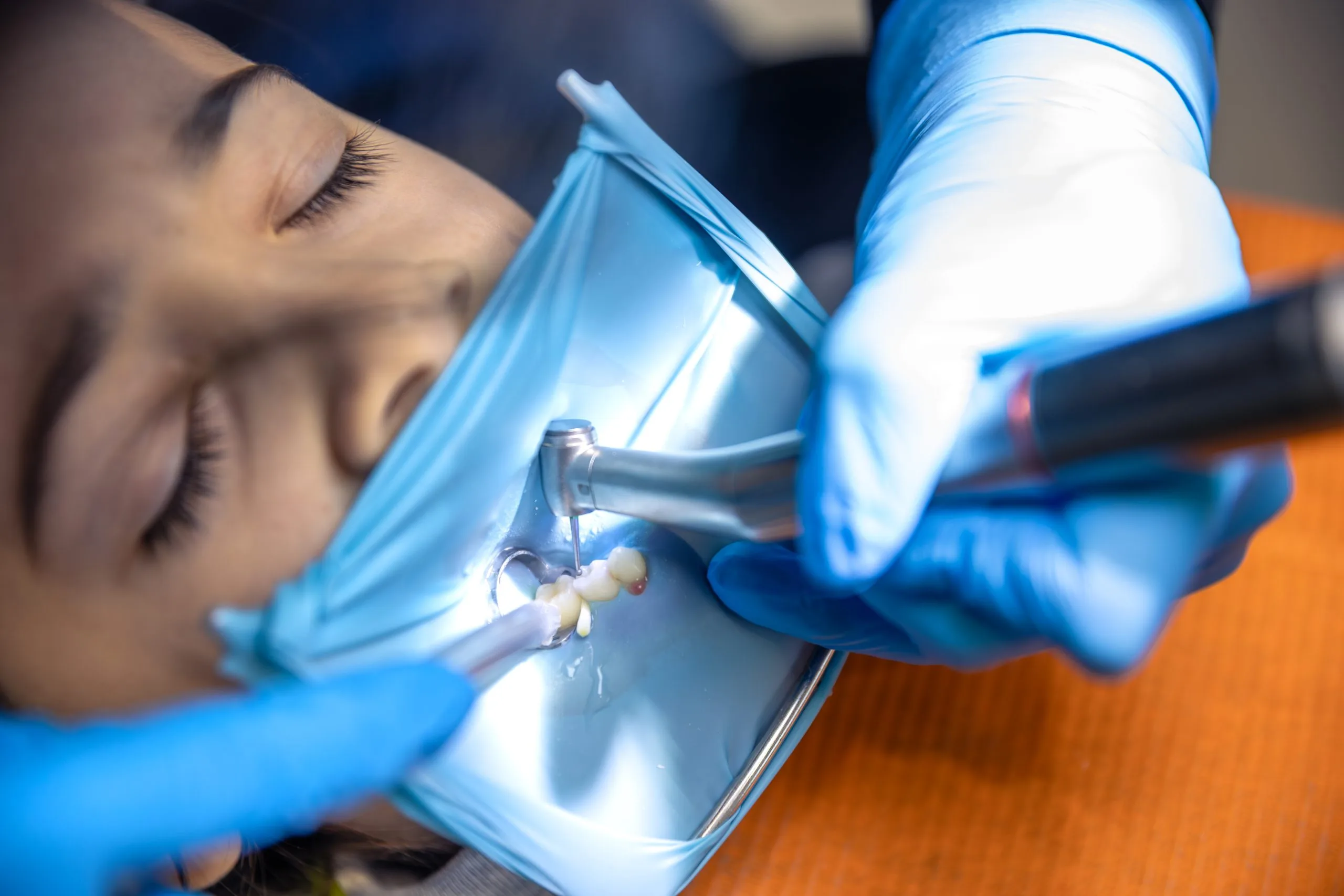
Why Tooth Extractions Are Needed
A tooth may need to be extracted for several reasons. Extractions are often necessary when a tooth has severe decay or infection that cannot be treated with a filling or root canal. Advanced periodontal, or gum, disease can also weaken the support around a tooth, making removal necessary. Impacted wisdom teeth, trauma or injury to a tooth, and situations involving orthodontic treatment planning or overcrowding may all require extraction as well. Understanding why a tooth extraction is recommended helps patients appreciate the importance of the procedure and the benefits of removing a problematic or potentially harmful tooth.
What to Expect During a Tooth Extraction
Modern dentistry makes tooth extractions much less painful than many people imagine. The procedure begins with local anesthesia to numb the area around the tooth. In some cases, sedation may be offered for patients who experience significant anxiety.
Once numb, the dentist carefully loosens the tooth and removes it. Most patients feel pressure during the extraction but should not feel sharp pain. The use of gentle techniques and advanced dental tools helps ensure a smooth procedure with minimal discomfort.
Pain and Discomfort After the Procedure
It is normal to experience some mild pain, swelling, or sensitivity after a tooth extraction. The intensity varies depending on the complexity of the extraction and the patient’s individual pain tolerance. Simple extractions often result in only minor discomfort, while surgical or impacted tooth removals may require slightly longer recovery.
Pain usually peaks within the first 24 hours and gradually improves over the next few days. Over-the-counter pain medications, ice packs, and following post-extraction instructions can significantly reduce discomfort.
Tips to Manage Pain and Promote Healing
Proper aftercare is essential to minimize pain and prevent complications after a tooth extraction. Some key steps include:
Bite gently on gauze to control bleeding immediately after the procedure
Apply ice packs to reduce swelling in the first 24 hours
Eat soft foods and avoid hot, spicy, or crunchy foods
Keep the extraction site clean by rinsing gently with saltwater after 24 hours
Avoid smoking or using straws, which can dislodge the blood clot and delay healing
Following these instructions helps ensure a faster recovery and reduces the likelihood of infection or dry socket, a common post-extraction complication.
When to Seek Immediate Attention
While mild discomfort after a tooth extraction is normal, patients should contact Urgent Dental Care if they experience severe or worsening pain that is not relieved by medication, prolonged bleeding that continues beyond 24 hours, swelling that spreads to the face or neck, or fever and other signs of infection. Seeking prompt attention in these situations can prevent complications and ensure proper healing.
Conclusion
Tooth extractions are generally not as painful as many patients fear, especially with modern anesthesia and careful dental techniques. Some mild discomfort is normal afterward, but proper pain management and post-extraction care can make recovery smooth and comfortable.
At Urgent Dental Care, Dr. Thomas R. Sansone is dedicated to providing gentle, effective tooth extractions while keeping patients informed and at ease. Understanding the procedure, preparing for recovery, and following aftercare instructions can help you feel confident and minimize discomfort, ensuring your oral health stays on track.

About the Author
Dr. Thomas R. Sansone, DDS
Dental Relief Today
March 1, 2026