

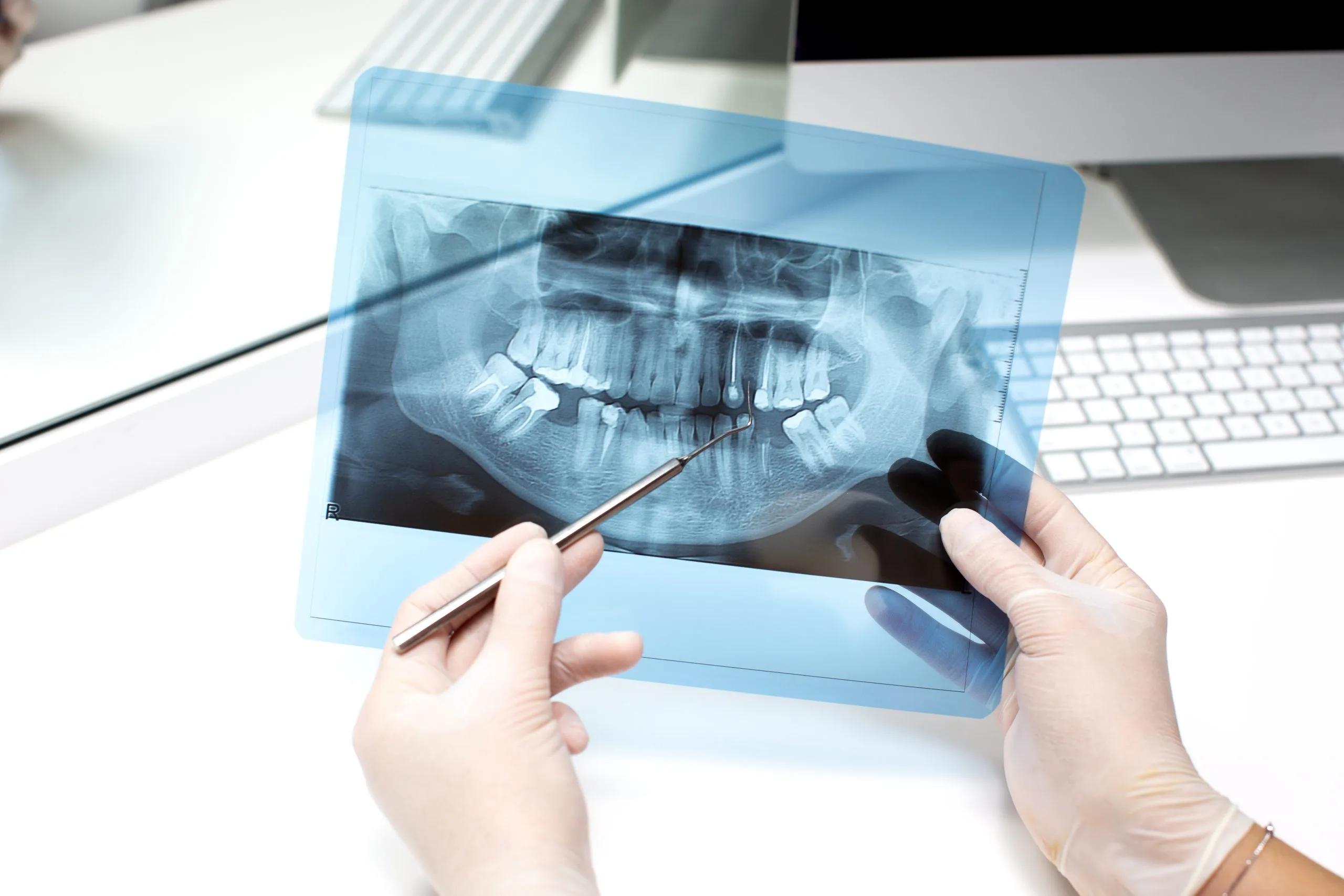
What Determines the Lifespan of a Root Canal
The longevity of a root canal depends on several key factors. First, the condition of the tooth before treatment plays a significant role. Teeth with extensive decay or fractures may have a shorter lifespan than those treated early.
Second, the quality of the root canal procedure matters. Thorough cleaning, proper sealing of the canals, and careful restoration afterward help prevent reinfection and ensure the tooth remains strong.
Finally, oral hygiene and lifestyle habits influence long-term success. Regular brushing, flossing, and routine dental visits are essential to maintaining the health of the treated tooth and surrounding gums.
Typical Longevity of a Root Canal
On average, a properly performed root canal can last anywhere from 10 to 25 years, and in many cases, a tooth can last a lifetime. Advances in dental techniques and materials have significantly improved the durability of root canal-treated teeth, especially when followed by a dental crown or proper restoration.
It’s important to note that while the root canal addresses the infection inside the tooth, the external structure still needs protection. A crown or other restoration helps prevent fractures and strengthens the tooth against daily chewing forces.
Factors That Can Affect Root Canal Longevity
Several factors can influence how long a root canal lasts, including:
Oral hygiene: Poor brushing or flossing can lead to new decay or gum disease, which may compromise the treated tooth.
Diet and habits: Chewing hard foods, grinding teeth, or using teeth to open objects can cause cracks or damage.
Follow-up care: Skipping routine dental visits can allow minor issues to develop into larger problems.
Even with these challenges, most root canal-treated teeth remain functional and pain-free for many years when properly cared for.
Signs That a Root Canal May Be Failing
Although root canals are highly successful, a tooth may occasionally experience issues. Signs that a root canal may need attention include lingering pain, swelling, sensitivity, or the appearance of a small bump on the gums near the treated tooth.
If any of these symptoms occur, prompt evaluation at Urgent Dental Care is essential. Early detection allows for retreatment or additional procedures to protect the tooth and prevent more serious complications.
How to Maximize the Life of a Root Canal
Maintaining the longevity of a root canal involves more than the procedure itself. Patients can take several steps to ensure the tooth remains healthy for years:
Maintain excellent oral hygiene: Brush twice daily and floss daily to prevent decay and gum disease.
Attend regular dental checkups: Professional cleanings and exams help identify issues early.
Protect the tooth: Avoid chewing very hard foods on the treated tooth and consider a mouthguard if you grind your teeth.
Follow restoration recommendations: Crowns or fillings placed after a root canal provide structural support and protection.
By following these guidelines, patients can significantly extend the life of a root canal-treated tooth.
Benefits of a Long-Lasting Root Canal
Root canal therapy offers several advantages when maintained properly. It eliminates infection and pain, preserves the natural tooth, prevents the need for extraction, and maintains overall oral health. Patients often enjoy improved comfort, the ability to chew normally, and the confidence of keeping their natural smile intact.
Conclusion
With high-quality treatment by Dr. Thomas R. Sansone, proper restoration, and consistent oral care, a root canal can last 10 to 25 years or even a lifetime. While factors such as tooth condition, oral habits, and follow-up care can influence longevity, the procedure remains one of the most effective ways to save a tooth and prevent further dental complications.
At Urgent Dental Care, patients receive compassionate care designed to eliminate infection, restore function, and provide long-lasting results for a healthy, pain-free smile.

About the Author
Dr. Thomas R. Sansone, DDS
Dental Relief Today
March 4, 2026