

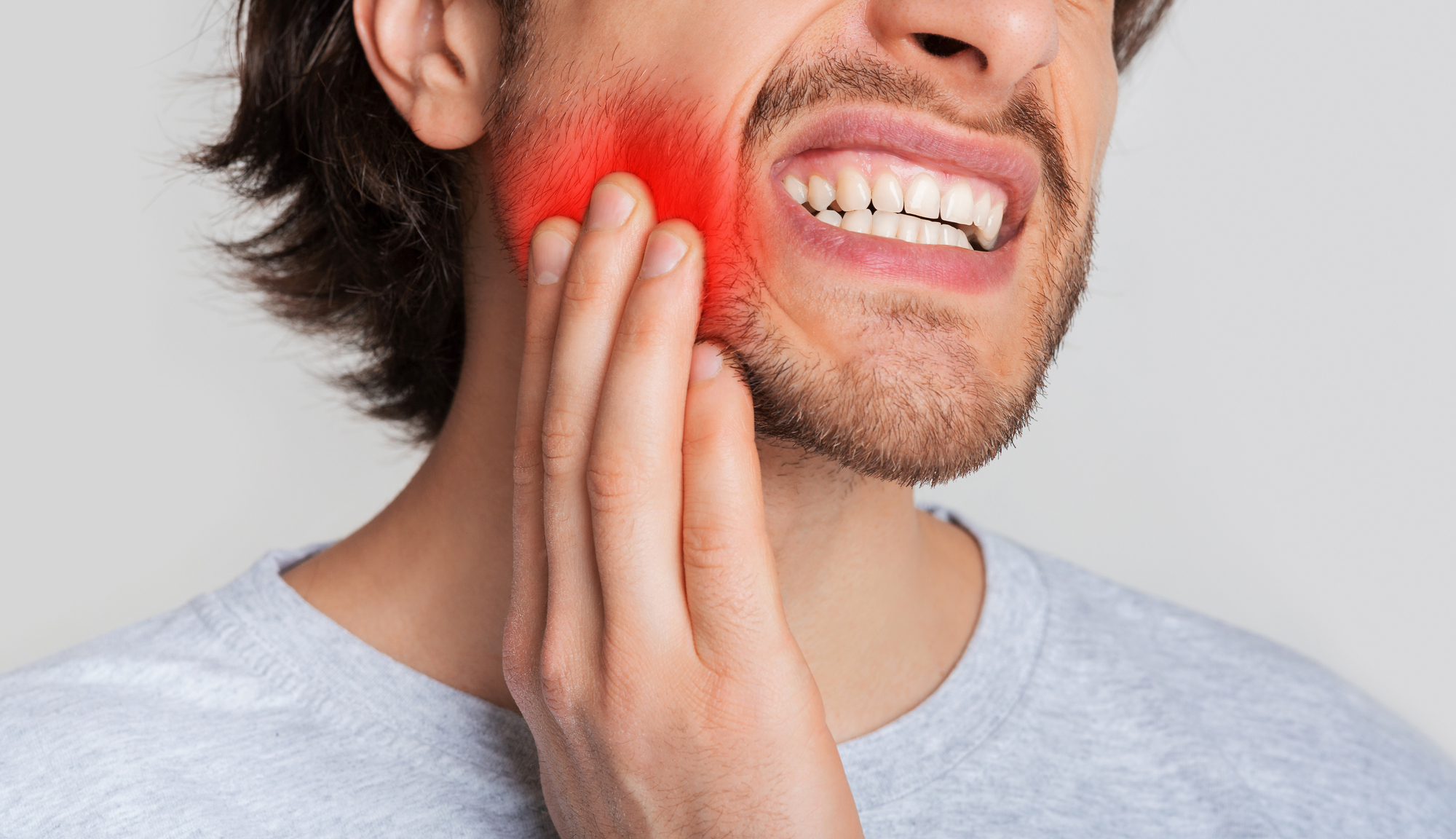
Common Causes of Toothache
Tooth Decay (Cavities)
Cavities are among the most common causes of toothache. Tooth decay starts when bacteria in plaque create acids that weaken enamel. Early cavities may not hurt at all. But as decay moves deeper – toward the dentin and the nerve (pulp) – pain and sensitivity become more likely.
Common clues that it may be a cavity:
Sensitivity to sweets, cold drinks, or hot foods
A “zing” of pain that lingers after temperature changes
Pain when biting in one specific spot
A visible hole, dark spot, or rough area on the tooth
When tooth decay progresses, it can lead to inflammation of the nerve or a dental infection. If you suspect a cavity is behind your pain, an urgent evaluation can help identify how deep the decay is and what needs to be addressed. You can learn more about urgent evaluation options through exams and X-rays.
Gum Disease and Receding Gums
Not all toothaches start in the tooth itself. Gum irritation and gum disease can cause soreness, tenderness, and even sharp pain, especially if the gums have receded, exposing the root surface.
How gum-related pain may present:
Generalized tenderness around multiple teeth
Bleeding when brushing or flossing
Swollen gums, “puffy” tissue, or gumline sensitivity
Pain that worsens with brushing, flossing, or chewing
Receding gums can expose root surfaces that don’t have the same protective enamel as the crown of the tooth, making teeth more sensitive and vulnerable. Gum disease can also contribute to pockets of infection around teeth that mimic a toothache.
Tooth Trauma or Injury
A chipped, cracked, or broken tooth can trigger sudden pain, even if the damage seems minor. Trauma can expose dentin, irritate the nerve, or create micro-cracks that hurt when you bite down.
Possible causes include:
Biting on something hard (ice, popcorn kernels, hard candy)
Sports injuries or falls
Accidents that loosen a tooth or damage a restoration
Previously weakened teeth with large fillings
Signs trauma may be the cause:
Pain when chewing that comes and goes
Sensitivity to cold air or cold drinks
A rough edge you can feel with your tongue
A tooth that feels “different” when you bite
Even small fractures can allow bacteria to enter deeper layers of the tooth. If you’ve had an injury, it’s important not to ignore persistent pain, especially if it worsens over time.
Teeth Grinding (Bruxism)
Grinding or clenching (often during sleep) can strain teeth and the muscles/joints that move the jaw. Over time, that pressure can cause tooth soreness, enamel wear, small cracks, and heightened sensitivity.
Clues that bruxism may be involved:
Morning jaw soreness or fatigue
Headaches that feel like tension headaches
Teeth that look flattened or worn
Tooth pain without an obvious cavity
Grinding can also aggravate existing dental problems (like a cracked filling or a vulnerable tooth), making it feel like a “new” toothache when it’s actually an older issue that’s been pushed over the edge.
Wisdom Teeth Problems
Wisdom teeth can cause pain when they’re erupting, crowding, partially trapped under the gum, or difficult to keep clean. Food and bacteria can get trapped around a partially erupted wisdom tooth, irritating gum tissue and triggering inflammation.
What wisdom-tooth-related pain may feel like:
Soreness in the back of the mouth
Gum swelling or tenderness behind molars
Pain when chewing on that side
A bad taste or persistent irritation near the back gumline
Wisdom tooth pain can overlap with other conditions (like decay on the neighboring molar), so evaluation is important if symptoms persist.
Dental Infections and Abscesses
When bacteria reach the tooth’s inner tissues or spread beyond the root tip, pressure and inflammation can build quickly. An abscess is a pocket of infection that can cause significant pain and swelling.
Common infection/abscess warning signs:
Severe, persistent toothache (often throbbing)
Swelling of the gums, cheek, or jaw
A pimple-like bump on the gum (possible drainage)
Pain that radiates to the ear, jaw, or neck
Fever or feeling generally unwell
Tender or enlarged lymph nodes
Dental infections don’t usually resolve on their own. If you suspect an infection, especially if it’s accompanied by swelling, seek prompt care. Urgent Dental Care provides services for dental infection concerns and can evaluate symptoms to determine what’s driving the pain.
Dry Socket After Extraction
A toothache can also occur after a tooth has been removed.
Common dry socket clues:
Pain that worsens a few days after extraction (often days 2-4)
Pain that radiates toward the ear or jaw
Bad breath or unpleasant taste
The extraction site looks “empty” or has visible bone
Dry socket pain is often more intense than expected after an extraction and typically needs professional management for relief. If post-extraction pain suddenly worsens, don’t wait – an evaluation can help determine whether it’s dry socket or something else. See more on dry socket concerns.
Other Sources of Tooth Pain
Sinus or Head Cold-Related Toothache
Upper back teeth sit close to the sinuses. When you have sinus congestion or inflammation, pressure can cause discomfort that feels like tooth pain, especially in the upper molars.
Signs of sinus-related pain may be involved:
Pain in multiple upper teeth rather than one specific tooth
Increased pressure when bending forward
Nasal congestion, facial pressure, or a head cold
Pain that fluctuates with sinus symptoms
That said, sinus pain and true dental pain can feel very similar. If the pain is severe, localized to one tooth, or accompanied by swelling or sensitivity to temperature, a dental exam may be the fastest way to rule out a tooth problem.
Jaw Pain Not Related to Teeth
Sometimes what feels like a toothache is actually coming from the jaw muscles or the temporomandibular joint (TMJ). Clenching, stress, bite imbalance, or inflammation in the joint can refer pain to the teeth.
TMJ/muscle-related clues:
Jaw clicking, popping, or locking
Pain that worsens with chewing or yawning
Soreness in the temples or along the jawline
Multiple teeth feel “achy,” but no single tooth is the clear source
Because jaw-related pain can mimic tooth pain, an evaluation can help determine whether your discomfort is truly tooth-based or referred.
When to See a Dentist
If pain is persistent or worsening, or accompanied by swelling, you should assume it may be an infection or a progressing dental problem until proven otherwise.
Consider seeing a dentist promptly if you have:
Tooth pain lasting more than 24-48 hours
Pain that wakes you up or is difficult to control
Swelling in the gums, face, or jaw
Sensitivity that lingers after hot/cold
Pain when biting or a sudden “high spot” feeling
A cracked/broken tooth, lost filling, or lost crown
Fever, foul taste, or drainage near a tooth
While you’re waiting to be evaluated, you can help reduce irritation by avoiding chewing on the painful side, skipping very hot/cold foods, and keeping the area clean with gentle brushing.
If you need urgent evaluation, Urgent Dental Care offers same-day visits and can assess tooth pain with appropriate imaging when needed. You can book your appointment at our Urgent Dental Care site.
Summary and Next Steps
So, what causes a toothache? Most toothaches come from cavities, gum problems, cracks/trauma, grinding, wisdom tooth issues, infection/abscess, or post-extraction dry socket – though sinus pressure and jaw disorders can also mimic dental pain. Because different problems can feel similar, the most reliable next step is a timely dental exam and X-rays to identify the true source and prevent the issue from worsening.
If your toothache is severe, persistent, or comes with swelling, it’s a sign to seek prompt dental care.

About the Author
Dr. Thomas R. Sansone, DDS
Dental Relief Today
March 30, 2026